Sigiriya: The Ultimate Guide to Sri Lanka’s Ancient Lion Rock Fortress

📍 Location: Sigiriya, Central Province, Sri Lanka.
Experience the Majesty of Sigiriya with Ranmini Tours
Rising abruptly from the emerald central plains of Sri Lanka, the colossal monolith of Sigiriya (Lion Rock) is a sight that defies logic. A 200-meter-high granite peak topped by a ruined palace and surrounded by some of the oldest landscaped gardens on Earth, it is no wonder Sigiriya is often called the "Eighth Wonder of the World."
At Ranmini Tours, we believe a visit to Sigiriya is more than just a hike; it is a journey through a saga of royal betrayal, architectural genius, and spiritual serenity. This guide provides a comprehensive look into everything you need to know about this UNESCO World Heritage site, ensuring your journey with us is both educational and awe-inspiring.
The Epic History of Sigiriya: A Tale of Kings and Betrayal
The story of Sigiriya is as dramatic as its towering silhouette. While evidence of human habitation in the area dates back nearly 5,000 years, the fortress we see today was the brainchild of King Kashyapa (477 – 495 CE). His reign was born of blood and ended in a tragedy that resonates through the ages.
Kashyapa, the son of King Dhatusena by a non-royal consort, desired the throne belonging to his half-brother and rightful heir, Moggallana. In a fit of ambition, Kashyapa overthrew his father and, in a gruesome act of cruelty, had him walled alive. Fearing the inevitable return of Moggallana with an army from India, Kashyapa abandoned the traditional capital of Anuradhapura and sought refuge on the impregnable rock of Sigiriya.
He transformed the monolith into a luxurious "Sky Palace," complete with a massive lion gateway and sophisticated water gardens. For 18 years, Kashyapa lived in fear and luxury atop the rock. When Moggallana finally returned with an army, Kashyapa met him in battle. Due to a tactical misunderstanding, his troops fled, and Kashyapa committed suicide on his war elephant. Following his death, the site was converted back into a Buddhist monastery before being reclaimed by the jungle.
Must-See Highlights at the Lion Rock
1. The Royal Water Gardens
Before you even begin the climb, you will walk through the Water Gardens. These are among the oldest landscaped gardens in the world, showcasing a level of hydraulic engineering that remains a mystery today. The gardens consist of three parts: the central water garden, the fountain garden, and the miniature water garden. Remarkably, the underground clay pipes and gravity-fed systems still work today, and during the monsoon rains, the fountains continue to spray water just as they did 1,500 years ago.
2. The Boulder Gardens and Terraced Gardens
Moving closer to the rock, the architecture shifts. The Boulder Gardens utilize the natural landscape, where massive rocks were used as foundations for buildings or carved into meditation caves. The Terraced Gardens rise from these boulders, creating a series of concentric circles around the rock, which were once filled with flowering trees and exotic plants. This area highlights how ancient Sri Lankans harmonized man-made structures with the natural environment.
3. The Mirror Wall and Ancient Graffiti
Halfway up the climb, you encounter the Mirror Wall. In ancient times, this masonry wall was polished to such a high sheen that the King could see his reflection while walking past. Today, it is famous for the "Sigiri Graffiti." Visitors between the 7th and 14th centuries carved poems and messages onto the wall. These inscriptions are vital for historians as they show the evolution of the Sinhala language and the deep emotional impact the rock's beauty had on ancient travelers. Some poems describe the beauty of the "golden-colored" ladies painted above.
4. The Sigiriya Frescoes: The Celestial Maidens
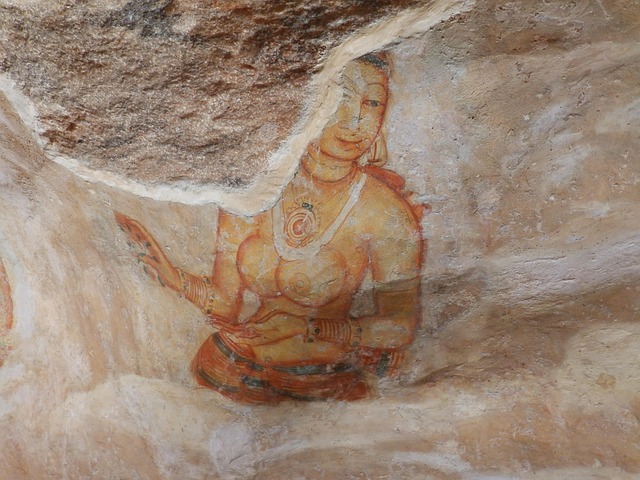
Accessed via a spiral staircase, the Sigiriya Frescoes are perhaps the most iconic feature of the site. Sheltered in a natural gallery, these paintings depict beautiful women, known as "Celestial Maidens" or "Apsaras." They are painted in vibrant natural pigments of red, yellow, and green. These are the only secular ancient paintings of this scale remaining in Sri Lanka, offering a rare glimpse into the aesthetic standards and fashion of the 5th century. Note: Photography of the frescoes is strictly prohibited to preserve the ancient pigments.
5. The Lion’s Paws Entrance
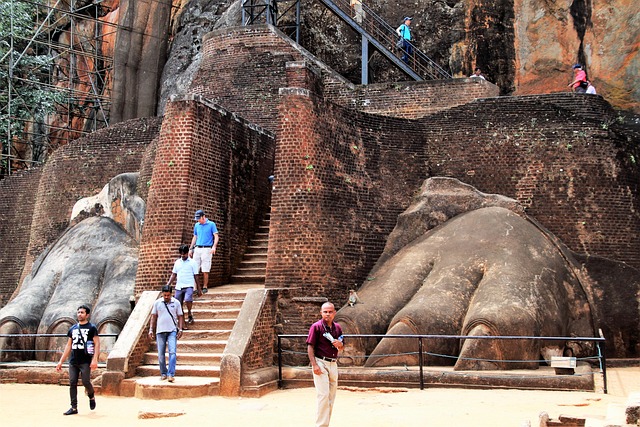
The final ascent begins at the Lion’s Terrace. In its glory days, a giant brick lion sat guarding the entrance; travelers would walk through the lion's mouth to reach the summit. Today, only the two giant, beautifully carved paws remain. They serve as a powerful reminder of the scale of the original structure and the sheer ambition of King Kashyapa. Standing between these paws, you truly feel the magnitude of the "Lion Rock."
The Summit: The Palace in the Clouds
Reaching the 1.6-hectare summit rewards you with breathtaking 360-degree views of the surrounding jungle, the Pidurangala Rock, and the distant Knuckles Mountain Range. The summit was once entirely covered with buildings, including residential quarters, throne rooms, and defensive structures. Today, you can see the ruins of the Royal Palace, the King’s stone throne, and the Royal Pool, which was carved directly out of the solid rock and still holds water to this day.
Planning Your Visit: Best Time & Practical Tips
To ensure you have the best experience with Ranmini Tours, follow these essential tips for your visit:
When to Visit
- The Best Season: The dry season from January to April is ideal. May to August is also good, though it can be quite windy.
- The Best Time of Day: We recommend starting your climb at 5:30 AM or 6:00 AM. This allows you to witness the sunrise, avoid the scorching midday heat, and skip the heavy tourist crowds that arrive after 9:00 AM.
Climbing Details
- Steps: There are approximately 1,200 steps to the top.
- Duration: It usually takes 1.5 to 2 hours to climb up and explore, and about 45 minutes to descend.
- Difficulty: The climb is manageable for most people with a basic level of fitness, but those with extreme vertigo may find the final stairs challenging.
What to Bring
- Hydration: Carry at least 1.5 liters of water. There are no vendors once you start the climb.
- Footwear: Wear sturdy sneakers or hiking sandals with good grip. Flip-flops are not recommended.
- Sun Protection: A hat, sunglasses, and high-SPF sunscreen are essential as the summit is fully exposed.
Entrance Fees and Logistics (2026)
The entrance fee for foreign tourists is $35 USD per person. This ticket includes entry to the site and the Sigiriya Museum, which we highly recommend visiting before the climb to understand the archaeological context. For visitors from SAARC countries, the fee is $20 USD (Passport required). Locals pay a nominal fee in LKR.
Beyond the Rock: Local Experiences
While the rock is the star, the surrounding area offers much more. Ranmini Tours can organize a traditional Village Trek, where you can travel by bullock cart, enjoy a authentic Sri Lankan lunch prepared over a wood fire, and take a peaceful canoe ride on a lotus-covered lake. For those seeking even more height, a Hot Air Balloon ride over Sigiriya at dawn offers a perspective few ever get to see.
Nearby Attractions to Explore
If you are traveling with Ranmini Tours, we can easily combine your Sigiriya trip with these nearby gems:
- Pidurangala Rock: Located just a few kilometers away, this offers the most iconic view of Sigiriya itself, especially at sunrise.
- Dambulla Cave Temple: A UNESCO site featuring ancient statues and paintings inside five massive caves, located just 20 minutes away.
- Minneriya National Park: Famous for "The Gathering," where hundreds of wild elephants congregate near the reservoir during the dry season.
Why Choose Ranmini Tours for Your Sigiriya Adventure?
At Ranmini Tours, we take pride in being more than just a transport service. We are your storytellers and local partners. When you book with us, you get:
- Expert Local Guides: Who know the history of the ruins and the best spots for photography.
- Comfortable Transport: Our modern, air-conditioned fleet ensures you arrive refreshed and ready for your adventure.
- Tailor-Made Experience: We can adjust the timing of your tour to suit your pace, ensuring you aren't rushed through this historical marvel.
- No Hidden Costs: We believe in transparent pricing and authentic experiences.
Are you ready to stand atop the Lion Rock and witness the grandeur of ancient Sri Lanka? The mysteries of Sigiriya are waiting to be uncovered, and there is no better way to see them than with the local expertise of Ranmini Tours.
👉 Plan Your Dream Trip: Contact Ranmini Tours Today!
Photo Gallery
Location Map
Plan Your Visit to Sigiriya: The Ultimate Guide to Sri Lanka’s Ancient Lion Rock Fortress
Book a private tour with experienced local guides.
Call Now